
Sauces & Condiments
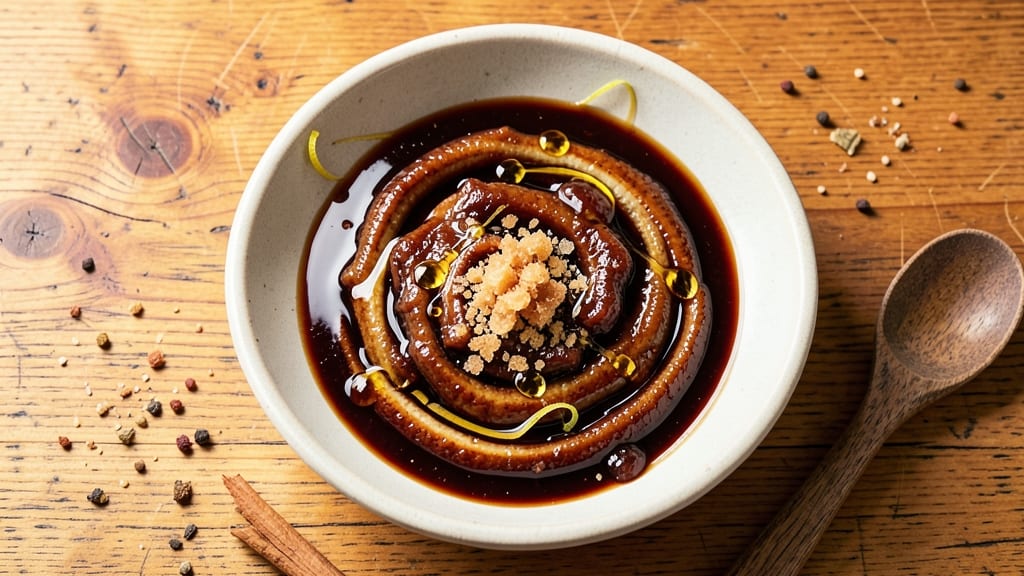
This Asian beef jerky marinade transforms ordinary beef into bold, umami-rich strips with just a few simple ingredients. The perfect blend of soy sauce, hoisin, garlic, and ginger creates a deep, savory base that penetrates every bite, while brown sugar adds just enough caramelized sweetness to balance the heat.
I developed this marinade after years of testing—it’s the secret behind restaurant-quality jerky without the complicated process.
The magic happens in the 4-24 hour marinating time, which allows the flavors to fully infuse while keeping the beef tender. No special equipment is needed—just a bowl, whisk, and patience.
The marinade’s sticky, aromatic coating ensures every slice is packed with flavor, whether you’re slicing thin for traditional jerky or using it as a quick glaze for grilled beef.
What sets this marinade apart is its versatility—use it for jerky, grilled steak, or even as a dipping sauce. The combination of fish sauce (for extra umami) and sesame oil adds depth, while a splash of rice vinegar brightens the mix.
Once you try it, you’ll never go back to store-bought marinades again.
Store any leftover marinade in the fridge for up to a week, or freeze it for later use. The longer it sits, the more complex the flavors become—this is the kind of marinade that gets better with time. Ready to elevate your jerky game? Let’s get started.
Ingredients for asian beef jerky marinade
Nine simple ingredients blend into restaurant-quality marinade for bold Asian beef jerky.
| Ingredient | Amount | Notes |
|---|---|---|
| Soy Sauce 🍶 | ½ cup | Low-sodium preferred for balance |
| Hoisin Sauce 🍶 | ¼ cup | For sweet-savory depth |
| Fish Sauce 🍶 | 2 tbsp | Red Boat brand recommended |
| Brown Sugar 🍬 | ¼ cup | Light or dark variety |
| Sesame Oil 🫒 | 1 tbsp | Toasted sesame preferred |
| Rice Vinegar 🍶 | 2 tbsp | White or seasoned |
| Ginger Root 🌿 | 1 tbsp | Freshly grated |
| Garlic Cloves 🧄 | 4 cloves | Minced for even distribution |
| Red Pepper Flakes 🌶️ | 1 tsp | Adjust for heat preference |
| Cornstarch 🌾 | 1 tbsp | For thickening consistency |
The soy sauce is your flavor anchor—Kikkoman or La Choy are solid choices, but any good-quality brand works. Hoisin sauce adds that signature sweet-savory punch, and Lee Kum Kee is my go-to for the right balance. Fish sauce brings the umami depth, but if you're sensitive to strong flavors, start with just 1 tbsp and adjust. For the brown sugar, Domino or Muscovado both work, but the latter adds a deeper caramel note. Sesame oil should smell nutty and toasted—if it's stale, toss it. Ginger and garlic? Fresh is non-negotiable here—dried just won't cut it for the bright flavor you want. Grab the organic ginger root at Whole Foods if you're looking for extra freshness, but the regular store stuff works too.
No hoisin? Substitute 1 tbsp soy sauce + 1 tsp honey—it won't be identical, but it'll get you close. Running low on fish sauce? Extra soy sauce + a pinch of sugar mimics the umami. The cornstarch is key for that perfect sticky consistency—if you're making a big batch, double it. For extra heat, swap red pepper flakes for sriracha (start with 1 tsp), and if you want more brightness, add a splash of lime juice instead of rice vinegar. The marinade gets better as it sits, so make a double batch if you're planning to use it over a few days. Just remember: the longer it marinates, the deeper the flavor.
This marinade keeps for 1 week in the fridge and freezes beautifully for up to 3 months. Store it in a glass jar with a tight seal—the flavors intensify over time, so don't be afraid to let it sit. If you're making jerky, the marinade will get absorbed into the beef as it cures, so plan for extra. For grilling, a quick 10-minute marinade is enough to add flavor, but 24 hours is ideal for maximum penetration. The leftover marinade? Use it as a dipping sauce for spring rolls or noodles—it's that versatile.
Why You'll Love This Recipe
- Pantry Magic: I swear by this marinade because it uses stuff I already have—no last-minute grocery runs. Just dump soy, hoisin, and a splash of fish sauce into a bowl, stir, and let the beef soak while I handle dinner chaos. (Yes, even on a Tuesday night.)
- Umami Bomb: That combo of fish sauce and brown sugar? It’s ridiculously good—salty, sweet, with a deep, savory punch that sticks to every bite. The sesame oil adds this nutty finish that makes it taste like a takeout menu, but better.
- Snack Attack Ready: Here’s what sold me—this marinade doubles as jerky and stir-fry sauce. Use half on sliced beef for jerky, save the rest for noodles or rice bowls. My kids grab it straight from the fridge; my husband sneaks it into sandwiches. (No judgment.)
- Budget Win: Fish sauce might sound fancy, but a little goes far—this marinade costs pennies per serving. Plus, the leftovers? I freeze them in ice cube trays and toss one cube into future meals. Zero waste, maximum flavor, and my wallet thanks me.
Step-by-step instructions for Asian beef jerky marinade
This marinade transforms tough beef into tender, flavor-packed jerky with just a few simple steps.
Combine Wet Ingredients for Flavor Base
In a medium bowl, whisk together the 0.5 cup soy sauce and 0.25 cup hoisin sauce until fully blended. These two sauces form the umami backbone of the marinade, balancing saltiness with sweet depth. Next, add the 2 tbsp fish sauce and 2 tbsp rice vinegar, stirring until smooth. The fish sauce brings a salty, funky complexity while the vinegar adds brightness to cut through the richness.
I like to taste the mixture at this stage—it should be tangy and savory, with a hint of sweetness from the hoisin. If it's too strong, you can add a splash of water later, but usually, this combination hits the perfect balance. Keep the bowl at room temperature for now; cold ingredients won't blend as well.
Add Sweetness and Aromatics
In a separate small bowl, mix the 0.25 cup brown sugar with the 1 tbsp sesame oil until the sugar dissolves completely. This creates a syrupy base that will coat the beef evenly. Then, add the 1 tbsp freshly grated ginger root and 4 cloves minced garlic to the wet ingredients and stir vigorously. The ginger and garlic should disperse evenly—this is where the marinade gets its signature zing.
Here's the thing—freshly grated ginger and minced garlic make all the difference. Pre-minced garlic often has additives, and dried ginger lacks the punch. If you're short on time, you can use 1 teaspoon of ground ginger, but the flavor won't be as vibrant. Let the mixture sit for 5 minutes to allow the aromatics to mingle with the other ingredients.
Incorporate Heat and Thickener
Add the 1 tsp red pepper flakes and 1 tbsp cornstarch to the bowl. The red pepper flakes bring a subtle heat that lingers beautifully in the jerky, while the cornstarch ensures the marinade clings to the beef without being watery. Stir everything together until the cornstarch is fully dissolved—you should see a slight thickening of the mixture. If it's too thick, add 1-2 teaspoons of water to loosen it to a pourable consistency.
This is the moment that matters: the marinade should now have a glossy sheen and a rich, aromatic smell. If it looks too thin, let it sit for another 5 minutes—the cornstarch will activate further. For extra flavor, I sometimes add a splash of the beef's own juices after it soaks up some marinade, but we'll get to that later.
Test and Adjust for Perfect Balance
Taste the marinade and adjust the seasoning if needed. If it's too salty, add a bit more brown sugar to balance it. If it lacks heat, add a pinch more red pepper flakes. The goal is a harmonious blend of sweet, salty, umami, and a touch of spice. Once satisfied, transfer the marinade to a resealable container or jar, making sure to leave some room for the beef's juices later.
Let the marinade rest at room temperature for 15-20 minutes before using. This allows the flavors to meld even more deeply. If you're prepping ahead, you can store it in the refrigerator for up to 1 week, though the freshest flavor comes from using it within 24 hours. This marinade works best with lean cuts of beef, like flank steak or top round, which will soak up the flavors beautifully.
Pro Tips For Making Asian Beef Jerky Marinade
- Balance the Fish Sauce: I learned this the hard way—adding too much fish sauce makes your marinade taste like a salty punch. Start with just 1 teaspoon per cup of soy sauce, then taste. You can always add more, but you can’t undo the funk if you overdo it.
- Whisk the Sugar First: Don’t just dump brown sugar into cold liquids—it’ll clump like a stubborn lump. Warm the soy sauce and hoisin slightly (just enough to dissolve the sugar), then whisk in the sugar until it’s fully integrated. Smooth marinade, no gritty surprises.
- Marinate Overnight (Minimum): Two hours isn’t enough. The beef needs at least 8 hours—ideally overnight—to soak up the flavors. I used to rush it, and the jerky always tasted flat. Trust the process, even if you’re impatient like me.
- Use Toasted Sesame Oil: Skip the uncooked oil—it’ll make your jerky taste like a cheap takeout dish. Heat 1 teaspoon of sesame oil in a dry pan for 30 seconds until fragrant, then cool before mixing. The nutty depth makes all the difference.
Dietary considerations for these flavors
Gluten-Free Adaptations
This marinade is naturally gluten-free as long as you use certified gluten-free soy sauce and hoisin. I recommend Kikkoman Gluten-Free Soy Sauce and Lee Kum Kee Gluten-Free Hoisin—both are widely available and maintain the same rich flavor.
The rest of the ingredients are inherently gluten-free, so no substitutions are needed beyond these two. Always double-check labels, though, since some brands may process their products in gluten-containing facilities. 🌾
Low-Sodium Options
If you're watching your sodium intake, opt for low-sodium soy sauce and reduce the fish sauce to 1 tbsp instead of 2. The marinade will still pack plenty of flavor, but with about 30% less sodium.
I also suggest adding 1 extra teaspoon of brown sugar to compensate for the reduced saltiness. For extra umami without added sodium, try 1 tbsp coconut aminos as a partial replacement for soy sauce.
Vegetarian/Plant-Based Swaps
While this marinade is designed for beef, you can easily adapt it for tofu, tempeh, or seitan by omitting the fish sauce (or replacing it with 1 tbsp vegetarian fish sauce substitute). For plant-based proteins, increase the marinating time to 24-48 hours since they absorb flavors differently.
The cornstarch helps create a sticky coating that works well on tofu, but you may want to add 1 tbsp aquafaba for extra binding power. 🌱
Allergen-Friendly Adjustments
For sesame allergies, simply omit the sesame oil and replace it with 1 tbsp neutral oil (like avocado or grapeseed) to maintain the marinade's consistency. If you're avoiding corn (due to cornstarch), use arrowroot powder instead—it thickens just as effectively.
Always check labels on hoisin and soy sauce for hidden allergens like wheat or soy if you have sensitivities. The rice vinegar and red pepper flakes are typically safe for most allergens.
Keto-Friendly Modifications
This marinade is already keto-friendly as written, but you can enhance it further by reducing the brown sugar to 2 tbsp and adding 1 tbsp erythritol or monk fruit sweetener for a sugar-free option.
The hoisin sauce contains some carbs, so if you're strict about macros, consider making a keto hoisin by blending 2 tbsp coconut aminos, 1 tbsp tahini, 1 tbsp apple cider vinegar, and 1 tsp erythritol. The flavor will be slightly different but still delicious. 💪
Storage for Dietary Needs
Store leftovers in an airtight glass container in the fridge for up to 1 week—this ensures no cross-contamination with other foods. For freezer storage, portion the marinade into ice cube trays or small jars for easy use later.
When reheating, warm it gently on the stovetop or microwave until just hot (don’t boil, as this can alter the texture). If you're using it for jerky, the marinade can be frozen directly on the beef strips before dehydration. 🧊
Nutrition facts
Frequently asked questions
Can I use this marinade for other meats besides beef?
This marinade works beautifully with chicken, pork, or even tofu for plant-based options. For poultry, reduce marinating time to 2-4 hours to avoid over-softening. Pork benefits from the full 24-hour marinade for maximum flavor penetration. Just adjust the saltiness if using lean proteins like chicken breast.
How long should I marinate beef for best results?
The ideal marinating time is 4-24 hours in the fridge. For 4-6 hours, you'll get decent flavor, but 12+ hours delivers maximum depth. Thin cuts like flank steak only need 4 hours, while thicker slices benefit from overnight marinating. Never marinate at room temperature—bacteria grows too quickly.
What's the best way to store leftover marinade?
Store in an airtight glass container in the fridge for up to 1 week or freeze for 3 months. For freezing, portion into ice cube trays for easy single-use servings. The flavors actually improve when refrigerated, so don't hesitate to make a double batch. Always label with the date to track freshness.
Can I make this marinade spicier? Yes! For extra heat, add 1-2 teaspoons of sriracha or ½ teaspoon of cayenne pepper to the base mixture. If using red pepper flakes, double the amount to 2 teaspoons.
Why does my marinade look too thin?
The cornstarch should thicken the marinade naturally, but if it's too thin, let it sit for 10-15 minutes—the starch activates over time. If still too runny, mix 1 teaspoon of cornstarch with 1 tablespoon water, stir into the marinade, and let thicken. For immediate thickening, simmer the marinade for 2-3 minutes on low heat, stirring constantly.